Outdoor Pickleball Balls

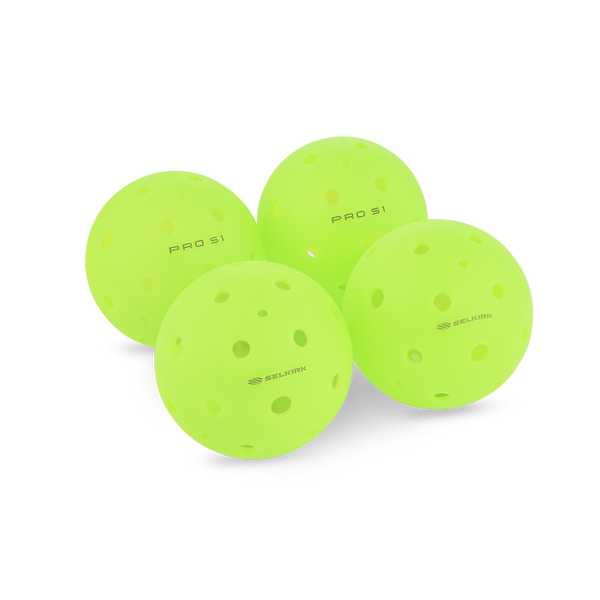
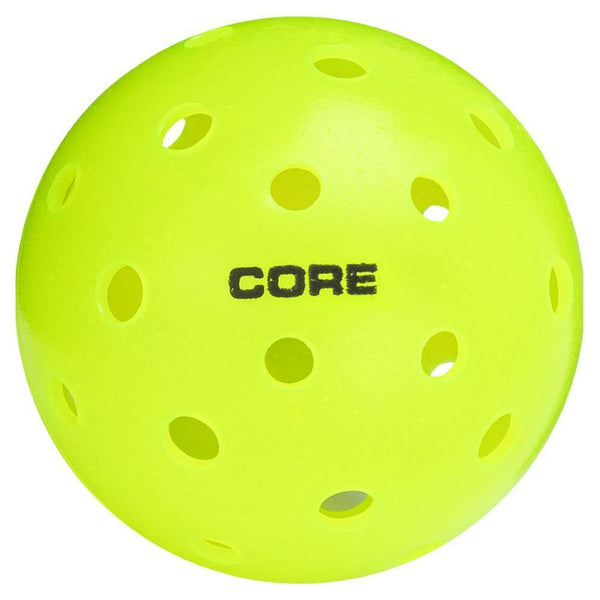
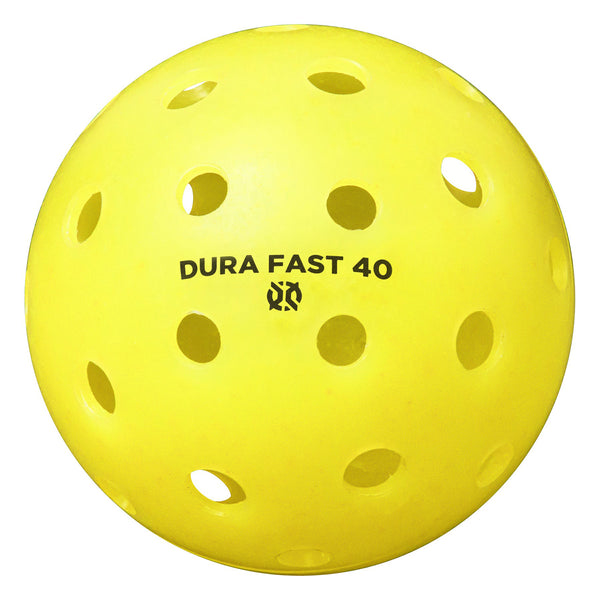
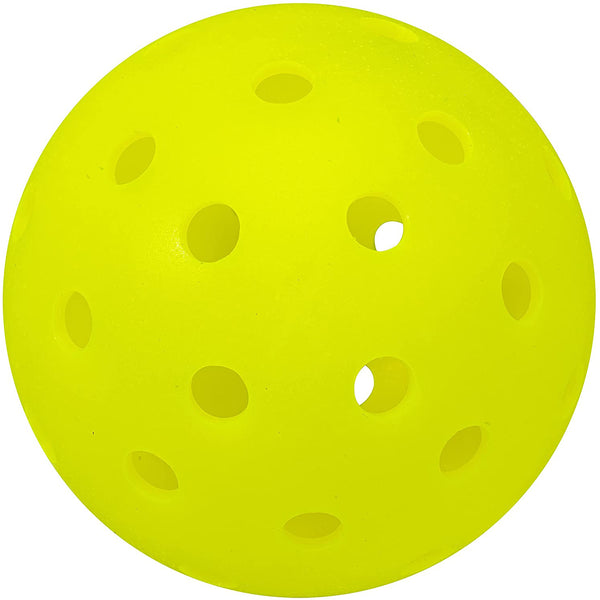
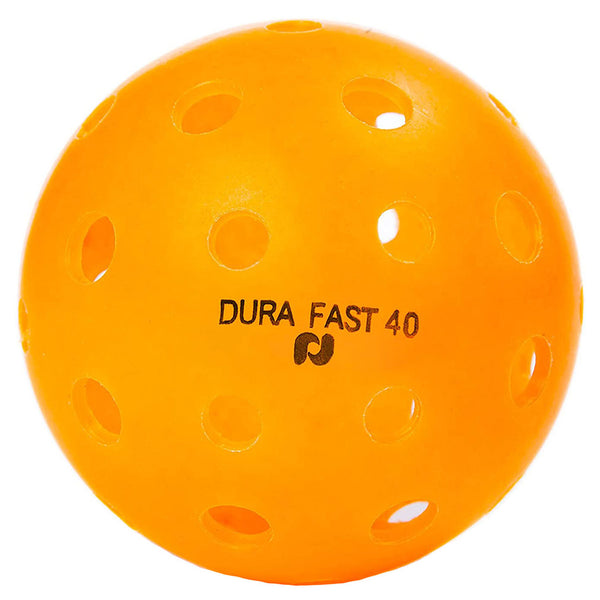
Outdoor pickleballs are built for concrete and asphalt courts. The 40-hole design and hard plastic shell handle wind and rough surfaces - tuned for the fast, drive-heavy play that defines outdoor pickleball.

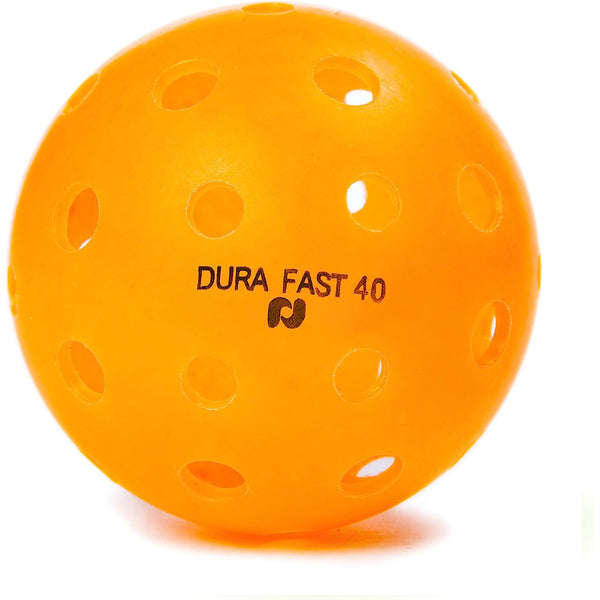
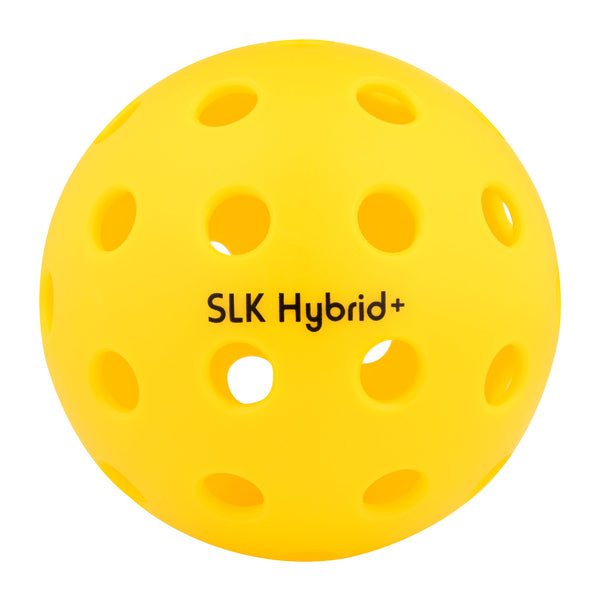
Outdoor pickleball plays harder and faster than its indoor counterpart, and the ball is built to match. Outdoor balls have 40 smaller, beveled holes and a denser plastic shell - engineered to cut through wind, resist scuffing on rough surfaces, and deliver the kind of pop that drives, lobs, and serves need to land.

These balls are tuned for asphalt, concrete, and outdoor sport courts - including converted tennis courts, which are the most common backdrop for outdoor pickleball in most areas. Outdoor balls don't usually go soft; they develop hairline cracks after enough hard hits, especially in colder weather, when the plastic gets brittle. A competitive doubles session can end one ball, and league players typically rotate through several per night. Keep a few spares in your bag - once a ball cracks, it loses its shape and plays unpredictably.

Outdoor Pickleball Balls FAQs

The hardness that makes outdoor balls perform well is also what makes them crack. The denser plastic resists deforming under impact, but after enough hard hits - especially overheads, slams, and drives - the material can develop hairline fractures around the hole edges. Cold weather makes it worse: below about 50°F, the plastic gets brittle and a ball that would survive a summer session can crack in twenty minutes. Some brands hold up better than others; the most durable outdoor balls usually cost more per ball but last longer per dollar.

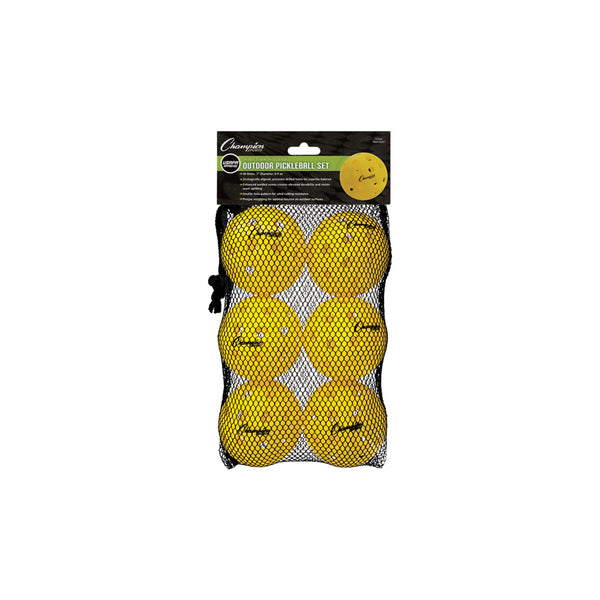
Yes, but mostly for visibility - the playing characteristics don't change with color, just the contrast against your background. Optic yellow is the most universal and the default for tournament play; it's visible against the blue or green surfaces most outdoor courts use, and it works in most lighting conditions. Neon green can be easier to spot against dark asphalt or in lower evening light. Orange stands out against neutral-toned courts and snow, but it can blend with red brick, red clay, or autumn-colored surroundings. White is rare outdoors because it disappears against bright sky and light court surfaces. Some leagues specify a ball color in their rules - check before you show up.

Yes, more than most players expect. Below roughly 50°F, the plastic shell loses some of its elasticity and becomes more brittle. Balls crack faster, bounce a little lower, and feel different off the paddle. In shoulder-season play, it's worth letting a ball warm up in your pocket or car before going outside, and accepting you'll go through more balls than during the summer months. Below freezing, outdoor balls tend to crack quickly, and many players move indoors for the season.

Tournament-grade balls are built to a tighter spec - more consistent weight, more uniform hole placement, more controlled bounce, and a longer pre-crack lifespan. They're USA Pickleball Approved and certified for sanctioned tournament play. Regular outdoor balls are still fine for rec and most league play, but they vary slightly more from ball to ball, which matters when you're trying to track exactly how a ball is going to bounce. If you play tournaments - or just want the most consistent ball - go tournament-grade. For backyard or casual rec, you don't need it.

Recently viewed