Hockey Practice Jerseys & Socks

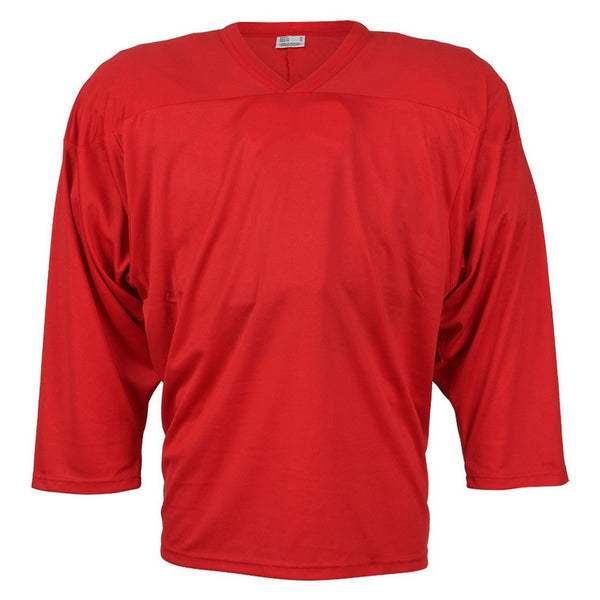
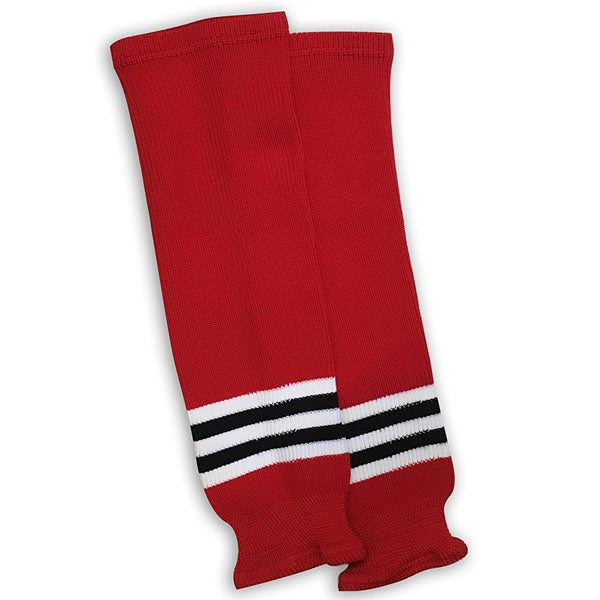
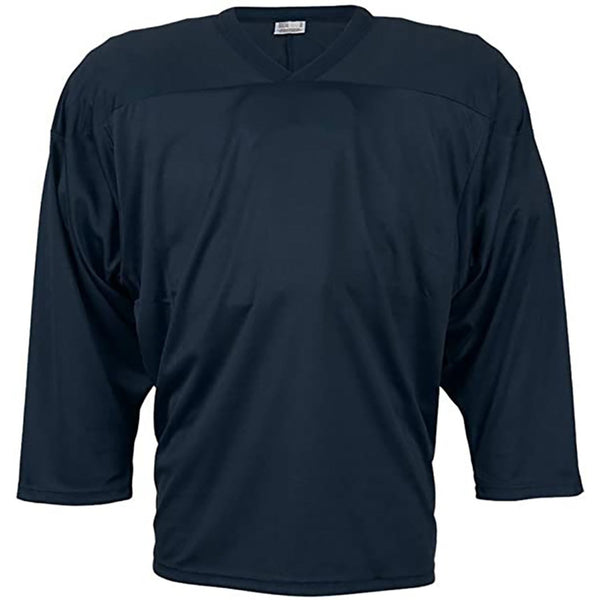
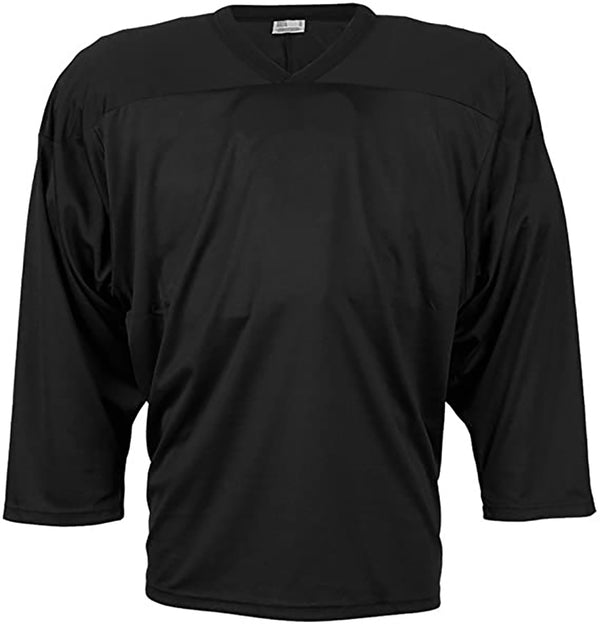
Practice jerseys, blank team jerseys and hockey socks in youth and senior sizes, for players packing a practice bag and teams outfitting a roster. Several colors are available, so coaches can split lines, pairs and scrimmage squads on the ice.

Practice jerseys vs. game jerseys

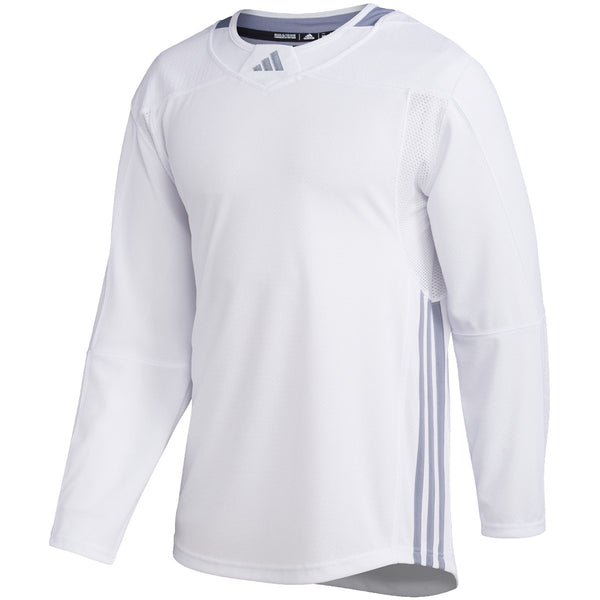
A practice jersey is a work shirt. It's lighter than a game jersey, usually a single layer of polyester mesh or knit, and plain, with no crest or numbers. It goes on over full gear four or five times a week and takes abuse along the boards, so it's built to be cheap enough to own more than one. Game and team jerseys use heavier knit fabric with a more structured cut, and they're made to be decorated with a team crest, names and numbers. Blank team jerseys are the starting point for adult league teams, tournament teams and clubs that want a matching look without a full custom order.

Why practice jerseys come in different colors

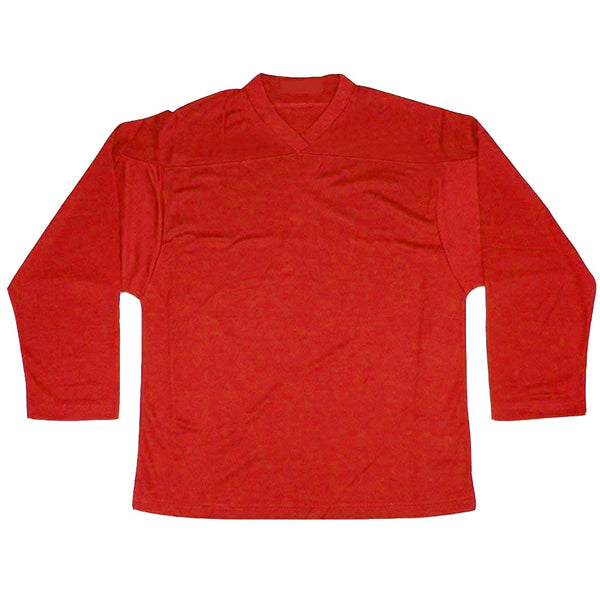
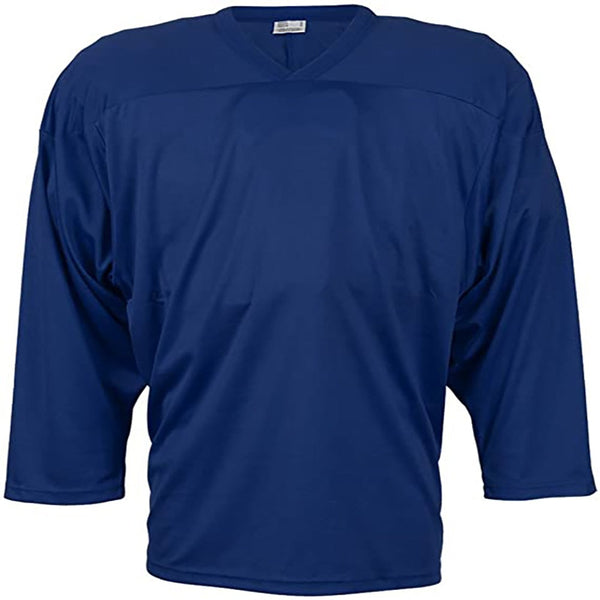
Coaches use jersey color to organize the ice. Splitting the group into two colors is the quickest way to set up a scrimmage, and some coaches go further and give lines, defense pairs or goalies their own color so they can call groups during drills. Color also flags who's off-limits: in the NHL, a red jersey marks a player in no-contact practice, and many teams at other levels borrow the idea. If your program assigns colors, check the team list before buying. Otherwise, one light and one dark jersey covers most practices.

Sizing over gear

A hockey jersey has to fit over shoulder pads and elbow pads. A jersey that fits over a T-shirt will be too tight once the gear goes on, so size based on how it fits in full equipment: shoulders should clear the pads, and sleeves should reach the glove cuff without bunching. Youth and adult sizes don't convert neatly. An adult small isn't a bigger youth XL, so use the chart for the size range you're buying. Goalies need a goalie cut, which has a wider body and roomier sleeves for the chest protector and arm pads. Some senior team jerseys use numeric sizing, such as 46 to 60, instead of S to XXL. Check the size chart on the product page.

Hockey socks

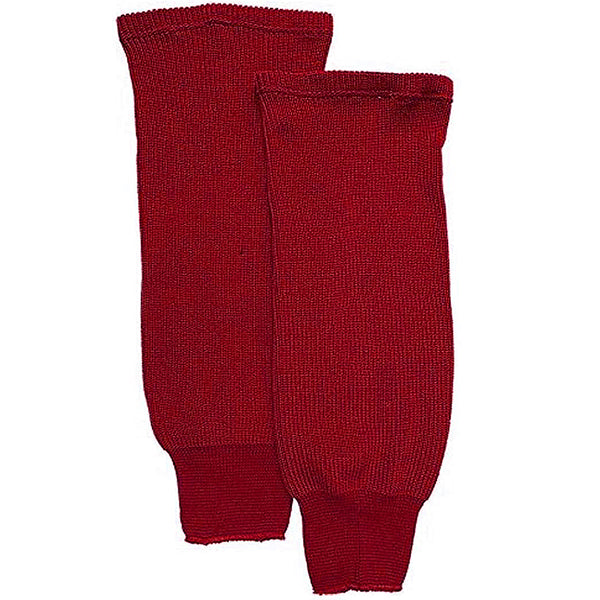
Hockey socks are sized by shin guard length, not shoe size. The sock should cover the whole shin guard and reach above the knee, with enough length left to attach at the top.

Use this as a general guide, and check the product's own chart, since sizing varies by brand.

  • Youth: 7–9" shin guards, about 18–22" sock
  • Junior: 10–12" shin guards, about 22–24" sock
  • Intermediate: 13–14" shin guards, about 26–28" sock
  • Senior: 15–17" shin guards, about 28–30" sock

Between sizes, go up. Mesh stock socks with hook-and-loop tops attach to the tabs on hockey jock or jill shorts. Traditional knit socks hook to a garter belt. Most players also wrap clear sock tape around the leg below the knee to keep the sock and shin guard from shifting.

Hockey Practice Jerseys & Socks FAQs

Usually, yes. The jersey has to fit over shoulder and elbow pads, so most players go one size above their T-shirt size. If you're between sizes, size up. A practice jersey that's a little big is fine, but one that's tight pulls the shoulder pads around and restricts the arms when shooting.

In many house leagues, adult leagues and pickup groups, yes. Teams often play in a light and a dark practice jersey, sometimes with numbers added. Travel and school teams generally wear decorated game jerseys, so check with the league before relying on practice jerseys for games.

Knit socks are the traditional ribbed style, heavier and stretchier, and are usually held up with a garter belt and tape. Mesh socks are lighter, breathe better, and many have hook-and-loop tabs at the top that attach directly to jock or jill shorts. Most teams now wear mesh socks to match their jerseys.

Wash them after every skate. Gear-bag sweat is what makes hockey equipment smell, and the jersey and socks are the easiest pieces to keep clean. Wash in cold water and hang to dry, since high dryer heat can shrink mesh and damage hook-and-loop tabs. Close the hook-and-loop before washing so it doesn't snag the jersey.

Two is a good start: one light and one dark, so the player can switch colors when the coach splits the group. Programs that assign specific practice colors will tell you which ones to bring. A second jersey in the same color helps on weeks with back-to-back skates.

Recently viewed