Cheer Shoes

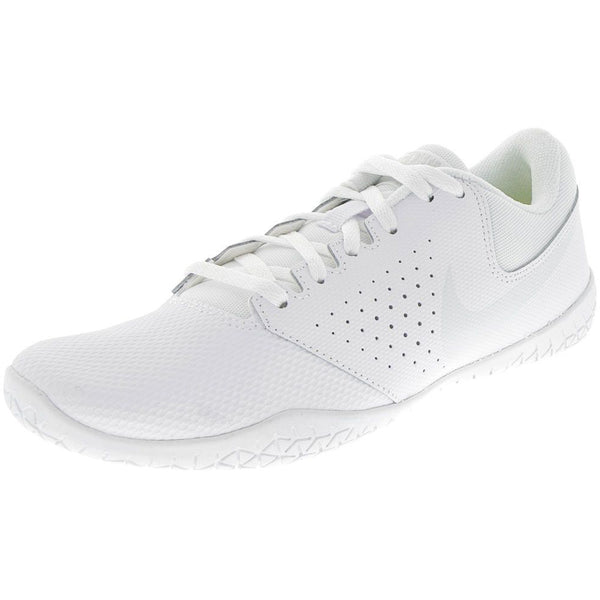
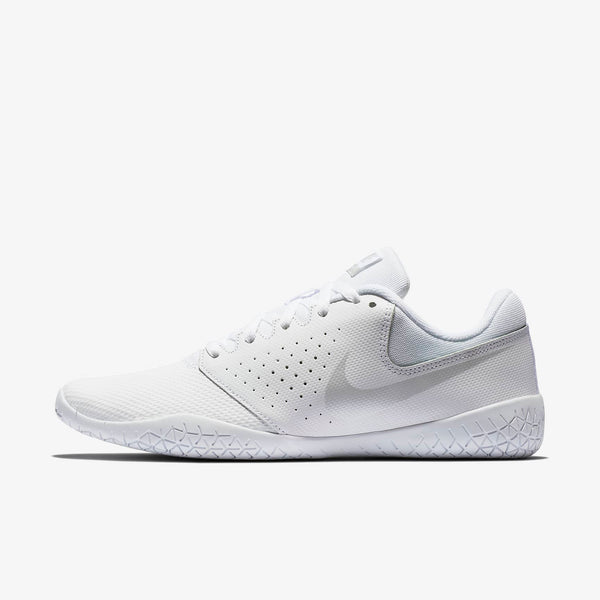
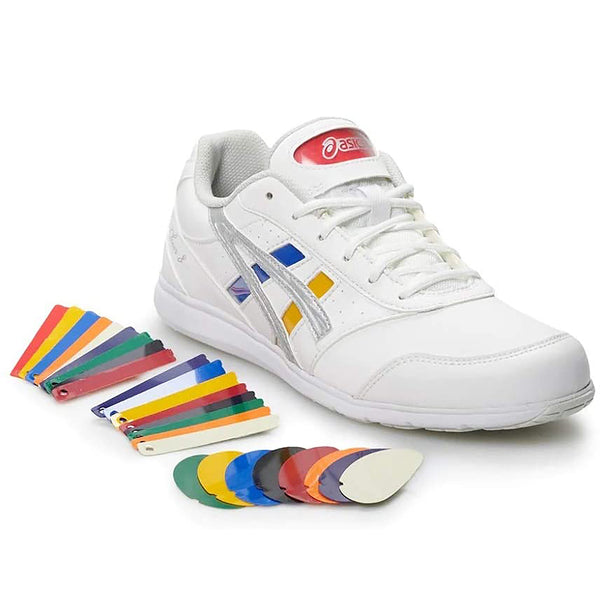
Shop white cheerleading shoes in youth and adult sizes for school, sideline, and youth cheer teams. Designed for the demands of cheerleading, these shoes balance lightweight construction, flexibility, and traction for jumps, tumbling, and stunts.

Why cheer shoes, not regular sneakers

A cheer shoe is built around what happens in a stunt. It’s lighter than a running or court shoe, so it’s easier to lift and easier for a flyer to hold a position. The sole is flatter and smoother, with a shallow tread, so bases can get a clean grip on a foot instead of fighting a deep lug pattern. The upper stays low and flexible for jumps, motions, and tumbling. Many school programs require athletic shoes made for cheer at practice and games, so check the team handbook before buying.

Sideline shoes vs. competition shoes

School and sideline cheer is hard on shoes: games on turf and track, pep rallies, outdoor practices. Sideline-style cheer shoes add a little more cushioning and a sturdier outsole for that mileage. Competition shoes go lighter and thinner, built mostly for spring floors and mats. For school, sideline and youth teams, a sideline shoe is usually the right first pair. White is the standard for school squads and is required at most competitions, so it’s the safe call unless the coach says otherwise.

How cheer shoes should fit

Snug through the midfoot, heel locked in place, toes close to the end without curling. A cheer shoe that feels like a comfortable everyday sneaker is usually too big. Extra room lets the foot shift inside the shoe during lifts and landings, and that’s when balance goes and ankles roll. Many cheer shoes run small, so half a size up from street size is common. Try them on with the socks worn to practice, and fit to the larger foot.

Buying shoes for a growing athlete

It's tempting to buy a larger size to get more wear out of a pair, but shoes that are too big can affect fit and stability. Choose a pair that fits properly now, and check the fit regularly as your athlete grows.

Youth and adult sizing can overlap differently across brands. If you're moving from youth to women's sizes or buying men's sizing, use the specific manufacturer's conversion chart instead of relying on a universal size adjustment.

Cheer Shoes FAQs

It depends on how often they’re worn. A pair used one or two days a week can last close to a full season or year. At three to four days a week, plan on six to nine months, and at five or more days a week, three to six months. Replace them sooner if the sole starts separating, the cushioning feels flat, or the bottom has gone slick.

Sideline teams cheer on turf and track all season, and the shoes are made to handle that. Concrete and asphalt wear the thin outsole down fast, and everyday wear breaks down the cushioning and picks up grime that makes the sole slippery on a gym floor. Keep cheer shoes for cheer.

At higher levels, yes. Flyers lean toward the lightest, most flexible shoe with a smooth sole that’s easy to hold. Bases and back spots carry the load and stand the longest, so they benefit from more cushioning and support. On most school and youth teams, one good sideline shoe works for every position.

Spot clean with mild soap, water and a soft brush. Skip the washing machine, because heat and tumbling can weaken the glue that holds the sole on. Air dry away from heaters with paper stuffed inside to hold the shape, and carry the shoes to games in a bag instead of wearing them in from the parking lot.

Absolutely. Cheer shoes can be suitable for athletes of any gender, provided the fit and sizing are right. Some models use women's sizing, while others offer youth, men's, or unisex options. Check the manufacturer's size chart and pay attention to width and overall fit rather than relying on a conversion alone.

Recently viewed